
Care Habits That Keep Sneakers Looking New
Sneaker care is mostly a war against three things: moisture, abrasion, and the slow yellowing that sunlight and oxygen inflict on white rubber. Most pairs die not from running but from neglect, sitting in a hot closet with mud still on the midsole. The habits that keep a shoe looking new are unglamorous, cheap, and slightly obsessive. They also work.
A pair of canvas low-tops can survive three summers of daily wear if someone bothers to brush them down after each outing. The same shoe, treated carelessly, looks tired by August. The difference is rarely the shoe. It is the routine.
Brush first, wash later
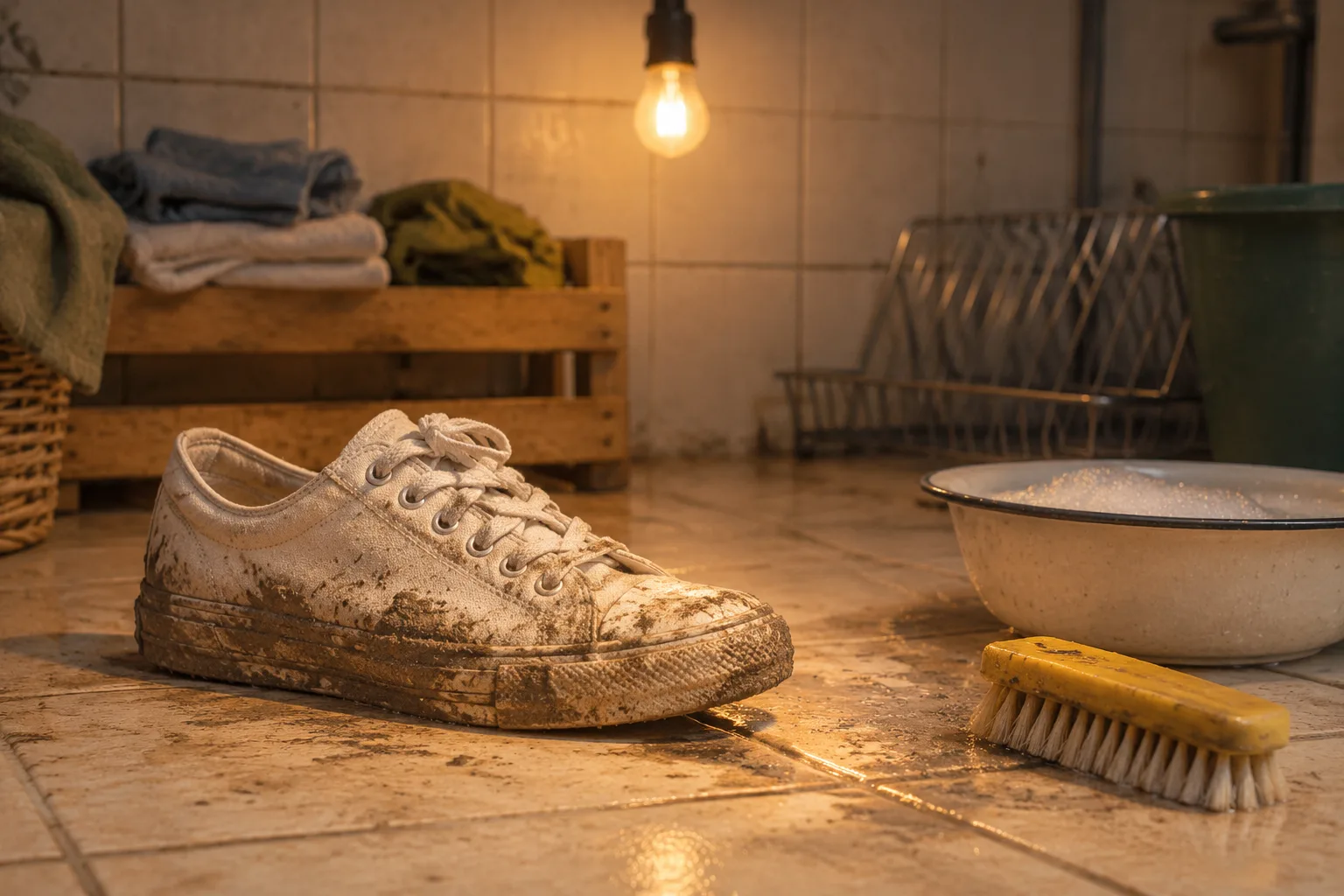
The single most useful object in sneaker upkeep costs about four dollars: a stiff-bristled brush, the kind sold for suede or for cleaning vegetables. Dry brushing removes loose dust, dried mud, and grit before any water touches the shoe. Skip this step and the washing phase turns that grit into an abrasive slurry that works deeper into the weave.
Brush in one direction, from the toe toward the heel, with short strokes. Canvas and mesh respond well to this. Suede needs a softer brush and a lighter hand, because aggressive brushing flattens the nap into a shiny patch that never quite recovers. For leather, a dry microfiber cloth does the same job with less risk of scratching.
The brush lives by the door. That placement matters more than the brush itself. A shoe that gets brushed the moment it comes inside never accumulates the kind of grime that requires a full wash.
The case against the washing machine
Putting sneakers in a washing machine is the most common advice and the worst one. The agitation that cleans cotton shirts also breaks down the adhesives holding the midsole to the upper, and repeated cycles leave the cushioning foam compressed and dead. A shoe that goes through the wash twice a month will feel flatter within a season.
Hand washing takes fifteen minutes and a basin of lukewarm water with a few drops of mild dish soap. A soft brush or an old toothbrush works the soap into the upper in small circles. The midsole gets the same treatment. Rinse with a clean cloth wrung out in plain water, pressing rather than scrubbing, until the soap residue is gone.
Residue is the quiet killer. Leftover soap attracts dirt and, on white rubber, can leave a faint gray film that reads as age. Two rinses are better than one.
Drying is where pairs get ruined
Wet sneakers belong in a shaded, airy spot with the laces removed and the tongue pulled forward. Stuffing the toe with crumpled newspaper or a dry towel pulls moisture out of the interior and helps the shoe hold its shape as it dries. Change the paper after a few hours if it feels damp.
Direct sun and radiators are the two fastest ways to age a shoe. Heat warps the upper, shrinks leather, and accelerates the yellowing of rubber. A pair left on a sunny balcony to dry will come back stiff and slightly discolored. The shade takes longer, but the shoe comes back the same shape it went in.
Never dry sneakers in a machine. The tumbling does the same damage as washing, with heat added.
White midsoles and the yellowing problem
Rubber midsoles yellow because of oxidation and UV exposure, a chemical change in the material itself. No amount of scrubbing reverses it. What scrubbing can do is remove the surface dirt that makes yellowing look worse than it is.
For mild discoloration, a paste of baking soda and water applied to the midsole, left for ten minutes, and rinsed clean lifts a surprising amount of grime. For deeper yellowing, the internet's favored solution is a hydrogen peroxide paste brushed on and left in indirect sunlight for a few hours. It works on some rubber compounds and does nothing on others, and it can dry out the material if overused. A cautious application once a season is reasonable. Weekly treatments are not.
The better strategy is prevention. Wiping the midsole with a damp cloth after each wear takes thirty seconds and keeps the surface clean enough that yellowing stays subtle for years.
Rotating pairs extends every pair
Sneakers need recovery time. Foam cushioning compresses under weight and expands back slowly; sweat and body heat stay trapped in the lining for hours after a shoe comes off. Wearing the same pair every day means it never fully dries or decompresses.
Two pairs worn in alternation will each last considerably longer than either would alone. Three is better. This is the habit that separates people whose shoes look new after a year from people whose shoes look a year old after six months, and it costs nothing beyond owning a second pair.
Cedar shoe trees, inserted while the shoe is still warm, absorb moisture and hold the shape of the toe box. They are not decorative. A pair of trees used daily will keep leather uppers from creasing and canvas from sagging at the heel.
Laces, insoles, and the parts people forget
Dirty laces make clean shoes look dingy. Most laces are cheap enough to replace, but a five-minute soak in warm soapy water and a rub between the palms revives white cotton laces almost completely. Let them air dry flat so they do not kink.
Insoles trap odor and sweat in a way that no surface cleaning addresses. Removable insoles should come out after every wear and dry separately. A light dusting of baking soda left overnight and shaken out in the morning neutralizes most smells. Insoles that have gone flat or started to crumble should be replaced; a fresh insole can make an older shoe feel new again.
Storage that does not cook the shoe
Shoes stored in a hot closet or a car trunk age faster than shoes worn daily. Heat degrades adhesives and foam; humidity encourages mold in the lining, especially in canvas and mesh. A cool, dry shelf away from direct light is the ideal. A breathable cotton bag is better than a sealed plastic box, which traps moisture.
Long-term storage calls for clean, fully dry shoes with the laces loosened and the shape supported. Stacking heavy shoes on top of light ones leaves permanent dents in the upper.
A note on waterproofing sprays
Fluoropolymer sprays keep water off suede and canvas, but they also trap dirt and can darken some materials. They need reapplication every few weeks to stay effective, which makes them a maintenance habit rather than a one-time treatment. For suede worn in wet weather, a spray is worth the hassle. For leather and canvas worn mostly indoors, it is usually unnecessary.
Test any spray on a hidden patch first. A spray that discolors the toe box is not a care habit; it is a mistake with a nozzle.
The ten-minute Sunday routine
Once a week, the whole rotation gets ten minutes. Dry brush each pair. Wipe the midsoles with a damp cloth. Pull the insoles and let them air. Check the laces and swap out any that have gone gray. Loosen the laces, insert the trees, and put the shoes back on the shelf in a cool spot.
Ten minutes a week is roughly nine hours a year, which is less time than most people spend shopping for a replacement pair. The shoes that get this treatment do not look new because they were expensive. They look new because someone paid attention to them every Sunday, with a four-dollar brush and a cloth.